What we do
Coffee Research
Coffee Research
Connecting the dots
Connecting the dots
Drawing on field research, producer perspectives, market data, and policy analysis, we bring together what is often treated as separate conversations into something more useful: a clearer picture of where coffee is heading. Grounded in our networks across the sector, our research helps partners see the bigger picture and find their place within it.
The Future of Coffee
From data to action
Since 2006, the Coffee Barometer has tracked sustainability commitments, industry progress, and persistent structural gaps across coffee supply chains through collaboration with diverse sector partners.
Building from this research, we facilitate webinars, workshops, and multi-stakeholder dialogues that help participants interpret emerging trends and explore what they mean for the future of coffee. In partnership with Forum for the Future, we design pathways to reflect collectively on issues such as the sustainability movement, AI, climate change, equity, and sector transformation.
The Coffee Systems Lab At Carnegie Mellon University
Coffee as a lens for systems thinking
Universities can act as catalytic leverage points for transforming the coffee sector. As major hubs of coffee consumption and influential cultural institutions, they carry both economic and ethical power.
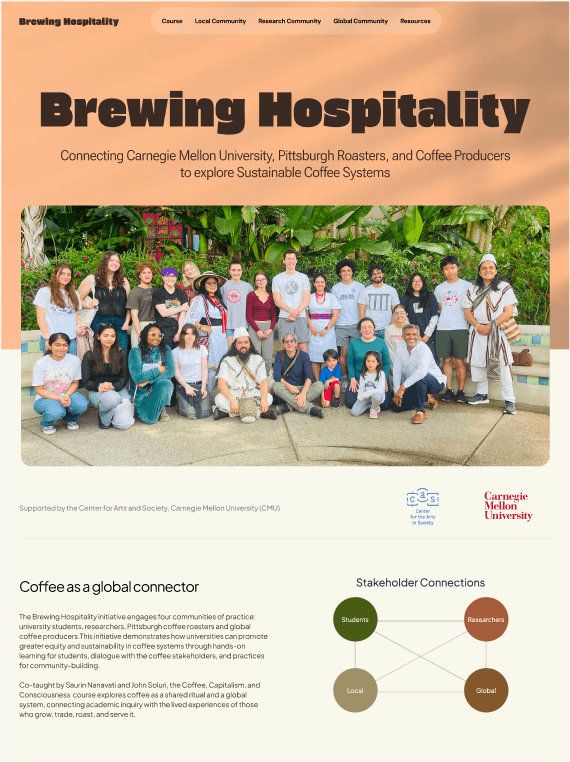
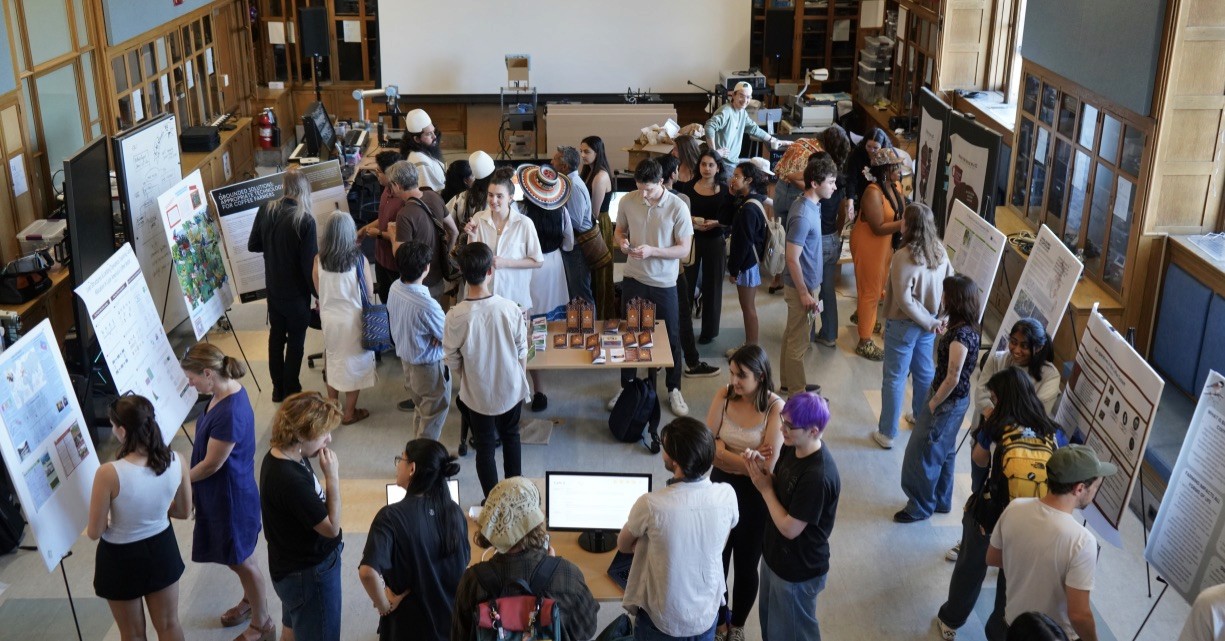
The Coffee Systems Lab at Carnegie Mellon University uses coffee as a subject and method for exploring complex systems. Through a cup of coffee, we open an entry point into global complexity, engaging students directly with real-world supply chains to reveal the interdependencies linking social, ecological, economic, and personal systems.
The Future of Coffee
From data to action
Since 2006, the Coffee Barometer has tracked sustainability commitments, industry progress, and persistent structural gaps across coffee supply chains through collaboration with diverse sector partners.
Building from this research, we facilitate webinars, workshops, and multi-stakeholder dialogues that help participants interpret emerging trends and explore what they mean for the future of coffee. In partnership with Forum for the Future, we design pathways to reflect collectively on issues such as the sustainability movement, AI, climate change, equity, and sector transformation.
The Coffee Systems Lab At Carnegie Mellon University
Coffee as a lens for systems thinking
Universities can serve as a critical leverage point for coffee sector transformation. As major hubs for coffee consumption and as influential cultural institutions, universities hold both economic and ethical power. The Coffee Systems Lab at CMU positions coffee as a pedagogical medium, serving as both subject and method for understanding complex system dynamics. Using a simple cup of coffee as an entry point into systems thinking, we engage students in real-world supply chains to surface interdependencies across social, ecological, economic, and personal systems. Through experiential learning practices, this research investigates how systems awareness and agency may be cultivated by advancing relational approaches to complexity.
